

We have all experienced that sinking feeling when opening a utility bill. You stare at the total, wondering how it got so high when you swear you’ve been careful. You walked around turning off lights, you kept the thermostat reasonable, yet the numbers tell a different story.
Energy conservation isn’t just about saving money, though that is a huge part of it. It is also about reducing our carbon footprint and living more sustainably. But let’s be honest: relying solely on memory to switch off every appliance and adjust the thermostat every time we leave the house is exhausting. We are human, and we forget.
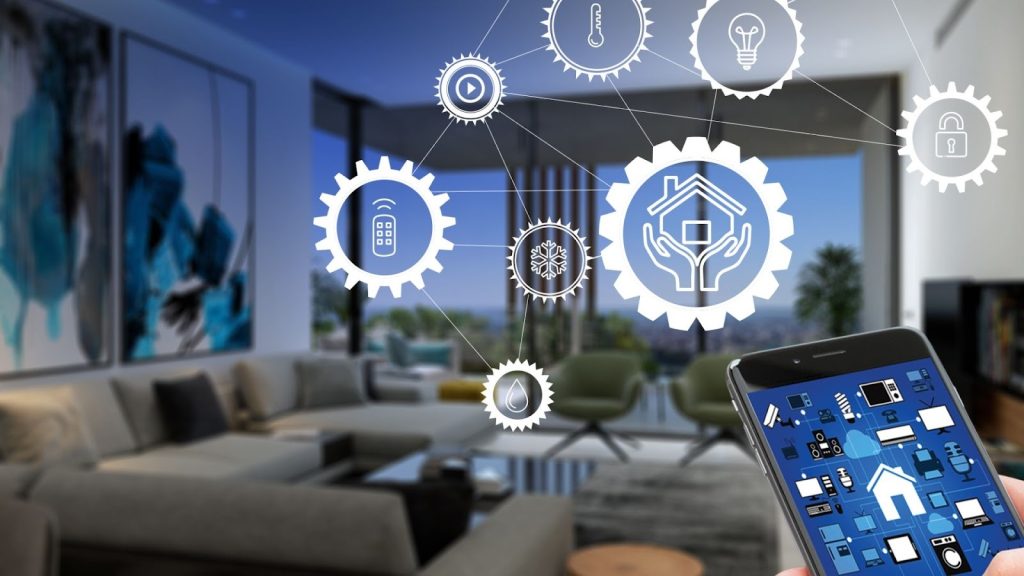
This is where intelligent home automation steps in. It takes the burden of remembering off your shoulders and hands it over to technology that is designed to optimize efficiency. By integrating smart devices into your living space, you can significantly lower your energy consumption without sacrificing comfort.
Why Automate Your Energy Savings?
The primary benefit of home automation is control. Smart systems give you the ability to manage your energy usage in real-time, often from your smartphone. But the real magic happens when you don’t have to manage it at all.
Intelligent automation removes human error. Instead of hoping you remembered to turn down the heat before a weekend trip, your house knows you are gone and does it for you. This leads to immediate cost savings. Over time, these devices pay for themselves by shaving percentages off your monthly bills. It transforms a passive home into an active participant in your budget.
Smart Solutions for Everyday Efficiency
You don’t need to rewire your entire house to see a difference. Focusing on three key areas—climate control, lighting, and window treatments—can yield impressive results.
Smart Thermostats
Heating and cooling usually make up the largest chunk of a home’s energy use. Traditional thermostats are static; they stay where you set them until you physically change them.
Smart thermostats are different. They learn your habits. If you typically leave for work at 8:00 AM and return at 6:00 PM, the device learns to dial back the energy usage while you are away and bring the temperature back to a comfortable level right before you walk through the door. Some models even use geofencing to detect when your phone leaves the property, automatically switching to an “eco” mode so you never pay to heat or cool an empty house.
Smart Lighting
Lighting is the second most common source of energy waste. We leave rooms and forget to flip the switch, or we leave outdoor lights on well past sunrise.
Smart lighting solves this with motion sensors and automated schedules. You can set lights to turn off automatically if no motion is detected in a room for a specific period. You can also schedule outdoor lights to sync with local sunrise and sunset times, ensuring they are only on when absolutely necessary.
Automated Shades
Windows are a major source of heat gain in the summer and heat loss in the winter. Automated shades can work in tandem with your smart thermostat to regulate your home’s temperature naturally.
During a hot summer afternoon, smart shades can lower automatically to block out the sun, reducing the load on your air conditioner. Conversely, in the winter, they can open during the brightest part of the day to let in solar heat, giving your furnace a break.
Navigating Home Automation Installation
For many homeowners, the idea of setting up these devices feels daunting. However, the market has shifted significantly toward user-friendly design.
For basic devices like smart bulbs or plugs, the home automation installation process is often as simple as screwing in a lightbulb and downloading an app. These are great entry points for those testing the waters.
However, for more integrated systems—like hardwired thermostats or whole-home automated blinds—you might consider professional help. A professional home automation installation ensures that all your devices communicate correctly with one another, creating a seamless ecosystem rather than a collection of disjointed gadgets. Whether you choose the DIY route or hire an expert, the installation process is a one-time investment that sets you up for years of savings.
A Smarter Future for Your Home
Reducing energy use doesn’t mean sitting in the dark or wearing a coat inside. It means using energy only when and where you need it. Intelligent home automation offers a practical, modern solution to an age-old problem. By upgrading your thermostat, lighting, and shades, you create a home that looks out for your wallet and the environment.
