

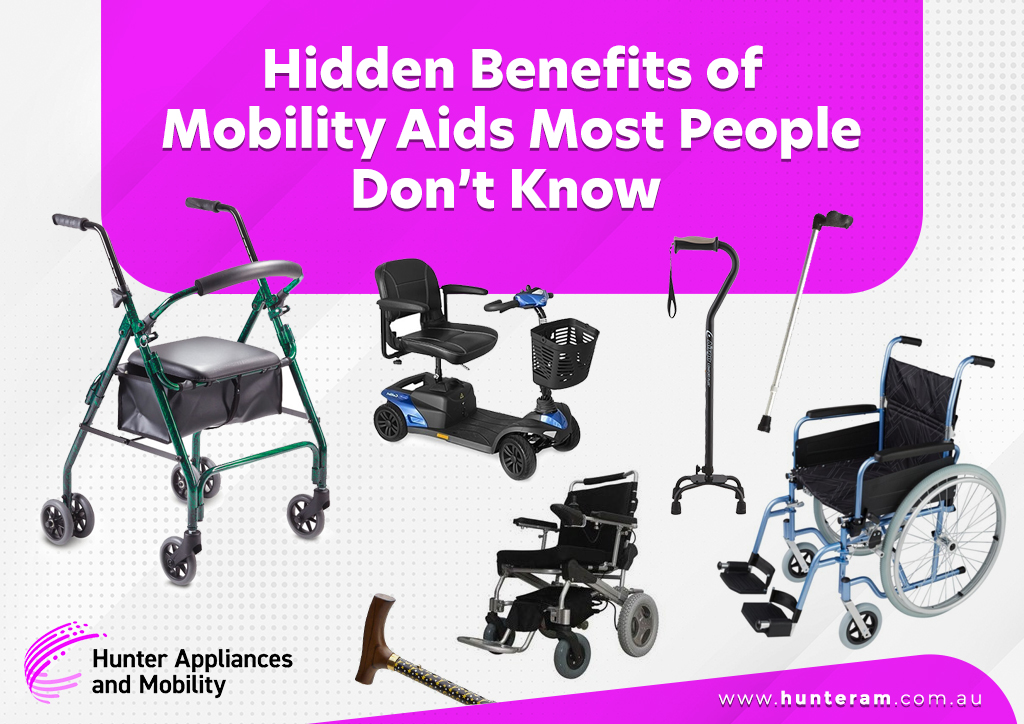
There is a funny thing about walking aids. People often treat them like a last resort, as if picking up a cane or crutches somehow means giving in. That thinking is a bit old-fashioned, really. For plenty of Australians, a walking aid is less about limitation and more about keeping life moving on their own terms.
Whether it is a stick for a short stroll to the local shops, crutches after a sprain, or a sturdier frame for getting around the house, these aids can make a world of difference. They help people stay steady, reduce strain, and keep daily routines ticking along without turning every step into a small drama.
And in a country like Australia, where people still value a fair bit of independence and like to get out and about, that matters. From suburban footpaths to uneven driveways and those surprisingly awkward kerbs outside the post office, a bit of support can go a long way.
Independence is not always about doing everything alone
There is a bit of a myth floating around that independence means doing every single thing without help. Sounds heroic, sure, but it is not always practical. Real independence often looks more flexible. It is choosing the right support so a person can keep doing the things they care about.
That might mean getting to the local café without worrying about balance. It might mean walking the dog around the block without feeling exhausted halfway through. It might even mean keeping up with grandkids at the park, which is its own kind of athletic event, if we are being honest.
Walking aids support that sort of independence. They make movement safer and less tiring. For some people, that means less pain. For others, it is about confidence. A wobbly step can knock self-assurance fast, and once that slips, people often start avoiding movement altogether. That is when life begins to shrink in little ways.
Different aids, different needs
Not all walking aids are the same, and that is part of the charm, really. There is no one-size-fits-all answer. People use different aids depending on what they need, how far they are walking, and where they are going.
Walking sticks and canes
These are often chosen for balance, light support, or a bit of reassurance on longer walks. A well-chosen stick can take pressure off an aching knee or give a person a little more steadiness on an uneven path. They are also handy for people who only need support now and then, rather than all day.
Crutches
Crutches suit situations where a leg or foot needs more protection. They are common after injuries, surgery, or a bad twist that has turned a simple stroll into a sort of awkward hopping contest. Proper fit matters here. If crutches are set up badly, they can be a nuisance and a pain in the shoulders too.
Other support options
Some people benefit from frames or more specialised mobility aids, especially when stability is a bigger concern. The right choice depends on strength, comfort, balance, and daily routine. A person living in a compact flat in Sydney may need something different from someone on a larger property in regional Queensland, where paths, distances, and terrain can be a bit more demanding.
Comfort and dignity go hand in hand
There is a bit of an overlooked truth here. A walking aid is not only a practical tool. It also affects how a person feels about themselves. If the aid is comfortable and suits the person properly, it tends to fade into the background. That is a good thing. It means the focus stays on life, not on the gear.
But when an aid is clunky, too heavy, or simply the wrong height, it can become annoying very quickly. Nobody wants to feel like they are wrestling their own equipment. Good fit, sensible design, and a little bit of care around choice can help keep the experience dignified, which matters more than people admit.
For many older Australians, dignity is tied closely to routine. Being able to make a cuppa, step into the backyard, or get to the RSL for a quiet catch-up with mates can mean a great deal. A walking aid that supports that routine quietly, without fuss, is worth its weight in gold.
The small decisions that shape everyday life
It is often the small decisions that shape independence. Choosing the right handle style. Picking the right height. Making sure the grip feels right in the hand. These things sound minor until a person has to use the aid every day.
Weather plays a part too. In much of Australia, pavements can be slick after rain, and outdoor surfaces heat up fast in summer. A cane or stick that works well indoors may feel different on rough ground or wet tiles. That is why everyday use matters so much when choosing equipment. The best aid is not the one that looks clever on paper. It is the one that suits real life.
For those comparing options, even a cheap walking stick can be a sensible starting point if it does the job properly and feels comfortable enough for daily use.
Why confidence can be just as valuable as strength
Physical support is only part of the story. Confidence is the other half. A person who feels steady is more likely to go out, keep active, and stay socially connected. That can have a ripple effect. More movement often means better mood, better circulation, and less of that miserable creeping isolation that can show up when people start staying home too much.
That is a very human thing, and not at all dramatic. If walking feels uncertain, people naturally pull back. They skip the corner shop. They stop visiting friends. They choose the sofa over the footpath. A walking aid can interrupt that pattern and give people the confidence to keep showing up in their own life.
In many Australian communities, that connection matters deeply. A morning walk to the bakery, a chat at the bowls club, a stroll through the local markets, all of these are simple bits of everyday life, yet they carry real weight. Mobility helps protect those moments.
Support that adapts with life
Needs change. That is normal. Someone recovering from surgery may only need a walking aid temporarily. Another person might use one long-term because of arthritis, balance issues, or muscle weakness. What works one month may feel less useful the next.
This is where a bit of flexibility helps. Walking aids can be part of a changing routine rather than a permanent label. There is something reassuring about that. It takes the pressure off. The aid becomes a tool, not a statement.
That mindset can be especially helpful for people who are hesitant at first. Plenty of Australians prefer to get on with things and not make a fuss. Fair enough. Still, there is no medal for struggling unnecessarily. If a walking aid makes the day easier, that is a practical win.
A smarter way to think about mobility
Walking aids are often misunderstood because people focus on what they represent rather than what they actually do. At their core, they support freedom. They help people move with less pain, less fear, and more ease. That is not small. That is the kind of support that can change the shape of a week, even a whole season.
For Australian households, this can mean the difference between staying active and slowly withdrawing. It can mean visiting family more often, taking part in local events, or simply moving around the home without that nagging worry about falling. And honestly, peace of mind is worth a fair bit.
Making the right choice
Choosing a walking aid is not about vanity or stubbornness. It is about matching the tool to the task. A person should feel supported, secure, and comfortable using it. When those pieces line up, the aid stops feeling like a burden and starts acting like a quiet bit of backup.
That is the real role of walking aids in maintaining independence. They help people keep doing what matters, in their own way, at their own pace. And in a world that often moves too quickly, there is something rather sensible about that.
