

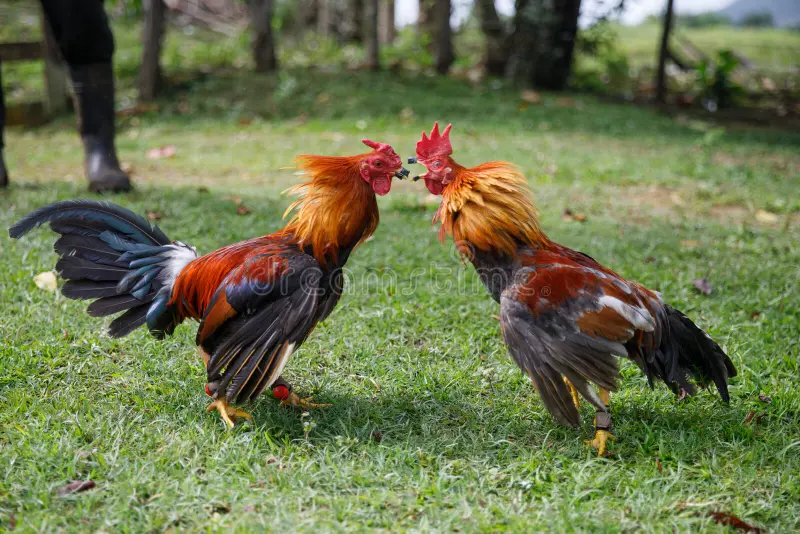
Experience the thrill of age-old entertainment with Cockfighting đá gà kwin – Traditional Betting Fun, a vibrant activity deeply rooted in cultural festivities. This tradition not only shows off the prowess of fighting cocks but also offers a unique social experience that bridges generations and communities. If you’re curious about exploring or understanding this fascinating practice, this article will guide you through its nuances, similarities with other betting traditions, and how it continues to captivate participants worldwide.
Cockfighting Kwin – Traditional Betting Fun remains an engaging tradition that blends sport, culture, and betting, drawing an enthusiastic crowd eager for excitement and camaraderie. Whether you’re a seasoned participant or a curious outsider, understanding the history and practices can enhance your appreciation of this dynamic activity.
Historical Roots and Cultural Significance of Cockfighting Kwin
Learning about the origins of Cockfighting Kwin – Traditional Betting Fun offers insight into how this ritual has become a vital part of various communities. Its historical significance underscores its relevance beyond mere entertainment, reflecting social customs and traditional values.
Origins of Cockfighting in Southeast Asia and Beyond
The history of cockfighting dates back centuries and is intertwined with the cultural fabric of many Southeast Asian nations, including Thailand, Indonesia, and the Philippines. Traditionally, these events served as communal gatherings, fitness tests for fighting birds, and symbols of status. The practice was often linked to agricultural cycles, festivals, and celebrations, reinforcing social bonds within villages.
In the context of Kwin, the activity has evolved into a structured form of betting and entertainment. It often features specific breeds of fighting cocks trained for agility, strength, and stamina. Over time, these events have become more organized, incorporating rules, betting systems, and even preservation efforts of indigenous breeds.
Studying its history reveals how Cockfighting Kwin encapsulates cultural identity and social cohesion. Despite modern debates about animal welfare, the tradition persists in many regions, emphasizing its deep-rooted cultural importance.
Spread and Variations Across Regions
Across different countries, variations of Cockfighting Kwin – Traditional Betting Fun have emerged, reflecting local customs and preferences. For example, in the Philippines, the activity often involves elaborate rituals involving specific attire and ceremonial offerings. Meanwhile, in Indonesia, fights are integrated into traditional festivals with unique rules and betting setups that differ from other regions.
Each variation tells a story about the community, from the types of cocks used to the betting practices employed. Some regions focus on the sport aspect, with rigorous training regimes, while others emphasize the social ritual, blending entertainment with cultural pride. Understanding these differences allows enthusiasts and newcomers to appreciate Cockfighting Kwin as a living tradition with diverse expressions.
Overall, the history and regional variations of Cockfighting Kwin – Traditional Betting Fun highlight its significance as more than just a pastime—it is a reflection of cultural identity, social cohesion, and historical continuity.
How to Participate in Cockfighting Kwin – Traditional Betting Fun Responsibly
Engaging in Cockfighting Kwin – Traditional Betting Fun can be an exhilarating experience, but it is essential to approach it responsibly and ethically. Whether participating in bets or spectating, understanding the proper etiquette, legal considerations, and safety measures ensures a respectful and enjoyable experience.
Understanding the Rules and Betting Systems
Before entering the arena, familiarize yourself with the specific rules governing Cockfighting Kwin. Different regions and organizers may have their own regulations, including how the fights are conducted, betting limits, and betting types such as fixed odds or pari-mutuel systems.
It’s crucial to grasp the betting process fully to make informed decisions. For example, understanding the strengths and weaknesses of the participating cocks can influence betting choices. Watching skilled bettors and studying past fights can also improve your knowledge.
In addition, understanding the possible outcomes and payout ratios helps in managing expectations and maintaining responsible betting habits. Remember, responsible participation includes setting a budget and not chasing losses, ensuring that the activity remains fun and safe.
Ethical Considerations and Animal Welfare
While Cockfighting Kwin is a tradition, it also raises important ethical questions. It’s essential to prioritize animal welfare by ensuring that cocks are well cared for, not subjected to unnecessary suffering, and trained humanely.
Some communities and organizations advocate for modern reforms that promote humane treatment, such as using restrained fights or supportive measures to prevent injuries. Respecting local customs alongside ethical practices is a delicate balance and requires ongoing dialogue.
Educating oneself about different perspectives on animal welfare allows participants to make ethical choices that support cultural traditions while minimizing harm. Responsible betting involves supporting responsible breeders, trainers, and organizers who prioritize the birds’ health and well-being.
Tips for New Participants and Spectators
For first-time participants or spectators, observing etiquette can enhance the overall experience. Respect the rules set by organizers and fellow enthusiasts, and approach the event with enthusiasm and cultural sensitivity.
Getting involved in local communities or clubs dedicated to Cockfighting Kwin can provide valuable insights and support. Engaging with experienced bettors can teach you strategies, and participating responsibly ensures the tradition continues sustainably.
Most importantly, enjoy the social aspect—Cockfighting Kwin – Traditional Betting Fun is a shared cultural activity that promotes community bonding. Approaching it with respect and awareness preserves its vibrancy and significance for future generations.
Comparing Cockfighting Kwin to Other Traditional Betting and Sporting Events
Understanding how Cockfighting Kwin – Traditional Betting Fun compares to other cultural betting and sporting activities highlights its unique features and shared elements. It’s a fascinating exercise in cultural analysis, revealing common themes of community, tradition, and entertainment.
Similarities with Other Traditional Sports and Bettings
Many traditional sports, like camel racing in the Middle East or bullfighting in Spain, share core elements with Cockfighting Kwin. All involve competitive displays, skill, and strategic betting, fostering social cohesion and local pride.
These activities often serve as community events, where participants and spectators gather to celebrate cultural identity. The betting aspect adds an element of excitement and anticipation, transforming the event into a social gamble that can reinforce bonds or rivalries.
Furthermore, the rituals surrounding these sports often have deep historical roots, emphasizing tradition and continuity. Recognizing these similarities underscores how sports like Cockfighting Kwin symbolize cultural narratives just as much as they serve entertainment purposes.
Key Differences and Unique Aspects
While sharing common traits, Cockfighting Kwin also possesses unique features that set it apart. Its emphasis on animal agility, breeding, and specific fighting techniques distinguishes it from human-centric sports. This focus on animal performance makes it a distinctive spectacle rooted in natural behaviors and training.
Legal and ethical considerations also differ widely across regions. In some countries, Cockfighting Kwin is protected as part of cultural heritage; in others, it faces bans due to animal rights concerns. These differing perspectives influence how the tradition evolves and is practiced.
Additionally, the ceremonial aspects, including specific attire, rituals, and music, imbue Cockfighting Kwin with a cultural richness that’s often absent in other sports. All these factors contribute to its status as a traditional, culturally significant activity that continues to thrive despite modern challenges.
Conclusion
Cockfighting Kwin – Traditional Betting Fun remains a compelling and culturally rich activity that combines sport, social bonding, and betting into a vibrant tradition. Its historical roots, regional variations, and deep cultural significance make it a unique form of community entertainment. Engaging in responsible participation involves understanding its rules, respecting ethical considerations, and appreciating its role within cultural contexts. Comparing it with other traditional sports highlights common themes of social cohesion and entertainment while emphasizing its distinctive features. Overall, Cockfighting Kwin exemplifies how age-old customs continue to thrive in modern societies, preserving cultural identity and fostering community spirit for generations to come.
