

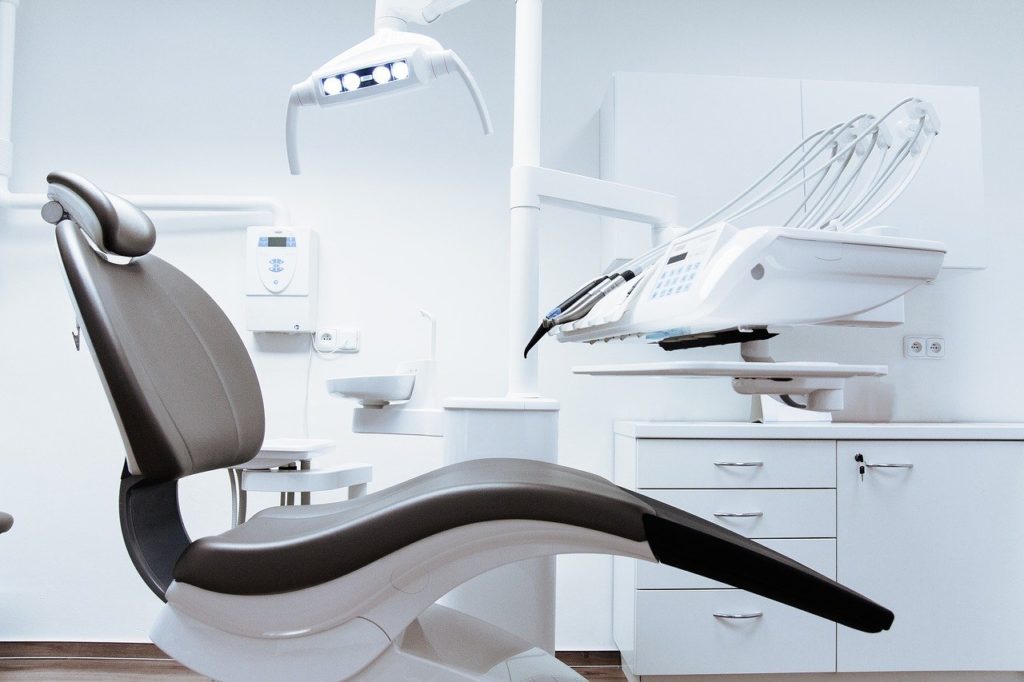
For many people, a trip to the dentist used to come with a small flutter of dread. The smell of the clinic, the sound of the drill, the awkward small talk while your mouth is full of cotton wool. It was all part of the deal. These days, though, things feel rather different. Technology has changed the way dental care works in Australia, and the change is not just about fancy gadgets sitting in the corner of the surgery.
It is about quicker diagnoses, gentler treatments, clearer communication, and a much smoother experience from the first phone call to the final check-up. In places like Sydney’s northern suburbs, where families juggle school runs, work meetings, and the usual weekly chaos, that kind of efficiency goes a long way. Nobody wants to spend half a day waiting around for a simple appointment.
Digital records have made life easier for everyone
Paper files used to pile up in clinics like a small mountain of folders. If a patient came in after a few years away, staff had to rummage through records, notes, and old X-rays just to piece things together. Now digital systems do the heavy lifting. A dentist can pull up a patient’s history in seconds, spot patterns, and make better decisions without the awkward pause and the mad search through a filing cabinet.
This matters more than people think. When records are accurate and easy to access, care becomes more personalised. A dentist can see previous treatments, allergies, sensitivity issues, and even how a patient responded to earlier procedures. That kind of detail can change the whole appointment.
Better scans mean better treatment
Traditional impressions were never anyone’s favourite part of a dental visit. That gloopy mould material was enough to make even the calmest patient grimace. Digital scanning has changed the game. Instead of biting into messy trays, patients now have 3D scans taken with compact devices that are quicker and far more comfortable.
These scans help dentists design crowns, aligners, bridges, and other treatments with impressive precision. There is less guesswork, fewer repeat visits, and a better fit from the start. For patients, that means less hassle. For clinics, it means fewer errors and less waste. A win all round, really.
Telehealth is making dental advice easier to reach
Telehealth became familiar to most Australians during the pandemic, and while dental care still needs plenty of hands-on treatment, remote consultations have carved out a useful role. People can now speak to a clinician about pain, swelling, broken teeth, or post-treatment worries without racing straight to the surgery.
That first chat can be surprisingly helpful. A dentist can decide whether a problem needs urgent attention or whether it can wait a day or two. For parents in regional areas or people with packed schedules, that sort of access is a relief. It saves time, cuts stress, and helps patients feel reassured before they even step into the clinic.
Artificial intelligence is helping with earlier detection
AI is popping up in more clinics, and while the phrase may sound a bit sci-fi, the practical benefits are plain enough. These systems can help dentists analyse X-rays and identify tiny changes that might be missed at a quick glance. Cavities, bone loss, and other issues can be picked up earlier, which often means simpler treatment later.
That early detection matters. A small filling is far easier than a root canal. A bit of gum treatment now can prevent far bigger problems down the track. Australians are increasingly used to digital tools keeping an eye on things, whether it is banking apps or health trackers, and dentistry has followed suit in a sensible way.
Comfort has become part of the service
Modern clinics are not only sharper behind the scenes, they are also more comfortable for patients. Some use digital anaesthetic delivery systems that help reduce the sting of injections. Others offer laser treatments that can lower discomfort and speed up healing for certain procedures.
Even the way information is shared has improved. Patients often get visuals on screen, showing exactly what is happening inside their mouth. That can calm nerves fast. It is much easier to relax when you can see the issue explained clearly instead of being handed a vague bit of jargon and a hopeful smile.
Communication has become clearer and more human
One of the nicest changes in modern dental care is the way clinics now communicate with patients. Appointment reminders arrive by text. Treatment plans are often explained with images and plain language. Some practices even use online booking systems, which means less time on the phone and fewer mix-ups.
That kind of clarity matters in places where people are busy and time is tight. A family looking for a Dentist Wahroonga, for instance, may want quick booking, easy follow-up, and answers without the runaround. A clinic that gets this right stands out straight away, because good care is not only about the treatment itself. It is also about how easy it feels to move through the whole process.
Lab work is faster and more accurate
Gone are the days when a dental crown or mouthguard meant endless back-and-forth between the clinic and the lab. Digital workflows have sped things up significantly. Scans can be sent directly to labs, where equipment shapes restorations with exact measurements.
This cuts waiting times and improves the fit of the final product. Patients spend less time with temporary fixes and more time getting on with life. That matters when school pickups, train delays, and work deadlines are already trying to run the show.
A better fit for modern Australian life
Australian patients expect care that fits around their lives, not the other way round. Technology helps make that possible. A good clinic can now offer faster appointments, shorter procedures, clearer advice, and less discomfort. In suburban and urban communities alike, that combination is hard to beat.
It also changes how people think about visiting the dentist. When the process feels smoother, the fear tends to ease a bit. Not entirely, of course. Dentistry will probably never be anyone’s favourite pastime. Still, modern tech has taken a fair amount of the sting out of it.
Preventive care is getting smarter
Technology is not only about fixing problems. It is helping prevent them too. Digital monitoring can track changes in gums, teeth alignment, and bite patterns over time. Apps and reminders encourage better brushing habits, regular check-ups, and follow-through after treatment.
That shift towards prevention suits Australian healthcare well. People are increasingly focused on staying well rather than waiting until something hurts. A small nudge here and there, backed by solid clinical tools, can make a real difference over the years.
The human touch still matters
For all the clever equipment, the best patient care still depends on people. A scan may be digital, but the reassurance after it is usually very human. A treatment plan may be drawn up by software, but the trust comes from the dentist explaining things properly and listening carefully.
That balance between technology and personal care is what makes modern dentistry feel so different from the old days. Patients get the benefit of precision and speed, without losing the warmth that keeps them coming back when they need help.
Looking ahead
Technology in dental care is moving quickly, and Australian clinics are keeping pace in thoughtful ways. From digital records and smart imaging to telehealth and improved comfort tools, the changes are making a real difference to patients of all ages. The result is care that feels easier, safer, and more responsive.
Not bad for a part of healthcare that used to make so many people tense up at the mere mention of a check-up. These days, the experience is getting smarter, kinder, and a good deal less frightening. That is progress worth smiling about.
