

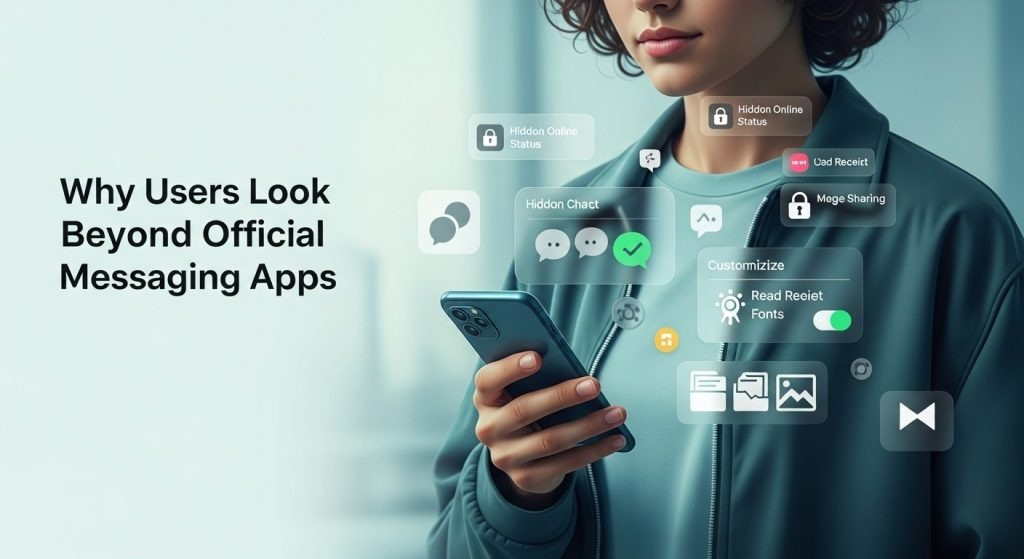
Messaging applications have become essential tools for modern communication. From personal conversations to professional coordination, platforms like WhatsApp shape how people interact daily. However, as digital habits evolve, many users are exploring modified messaging apps, with GB WhatsApp application frequently mentioned in discussions around customization and privacy.
This growing interest reflects a broader shift in user expectations. People want more control, flexibility, and personalization than what official messaging apps sometimes provide. This article examines why users explore modified messaging apps, focusing on features, risks, and real-world use cases, while maintaining a balanced and informed perspective.
What Are Modified Messaging Apps?
Modified messaging apps—often referred to as third-party or unofficial versions—are applications developed independently using the original app as a base. These versions retain core messaging functionality while adding features that are not officially available.
GB WhatsApp is one such example. It operates similarly to the official WhatsApp app but introduces expanded privacy settings, customization options, and media-sharing controls. Importantly, modified apps are not affiliated with or supported by the original platform, which has implications for security and compliance.
Users typically learn about these apps through tech forums, blogs, and word-of-mouth, often driven by unmet needs rather than dissatisfaction alone.
Why Users Look Beyond Official Messaging Apps
1. Demand for Advanced Privacy Controls
Privacy has become a major concern in digital communication. While official messaging apps provide baseline privacy settings, some users want granular control over how they appear online.
Modified apps often offer:
- Selective hiding of online status or last seen
- Viewing messages or statuses without read receipts
- Locking individual chats with extra authentication
For privacy-focused users, these features represent a sense of autonomy over digital presence.
2. Customization and User Experience
User experience is no longer just about usability—it’s also about personalization. Modified messaging apps appeal to users who want their interface to reflect personal style.
Common customization features include:
- Custom themes and color palettes
- Font and icon changes
- Layout adjustments for chats and status sections
This level of control is especially attractive to younger users and those who spend significant time on messaging platforms.
3. Fewer Media and Sharing Restrictions
Official messaging apps often limit file size, media quality, or status length to ensure performance and security. Modified apps may relax these restrictions, allowing:
- Larger video and document sharing
- Higher image resolution
- Extended status updates
For users who frequently exchange media—such as content creators or group admins—this flexibility can be a strong motivator.
Real-World Use Cases of Modified Messaging Apps
Small Businesses and Freelancers
Many small businesses rely on messaging apps for customer communication. Some users explore modified apps to manage:
- Multiple chats more efficiently
- Personal and business conversations separately
- Visibility settings for client interactions
While unofficial, these features are perceived as productivity tools in informal business environments.
Tech Enthusiasts and Power Users
Another major user group includes tech enthusiasts who enjoy testing new features and experimenting with software. For them, modified messaging apps represent:
- Early access to advanced functionality
- A way to explore alternative user experiences
- Insight into emerging digital trends
This curiosity-driven usage contributes significantly to their popularity.
Regional Usage Trends
In certain regions, customization and control are highly valued in mobile apps. Modified messaging apps gain traction where users prefer flexible interfaces and localized usage patterns that official apps may not fully address.
Despite their appeal, modified messaging apps like yo whatsapp or wa gb apk 2026 carry notable risks that users should carefully consider.
Security and Data Privacy Concerns
Because these apps are developed by third parties, users cannot always verify:
- How messages are stored or processed
- Whether encryption standards match official apps
- If additional code introduces vulnerabilities
This uncertainty raises legitimate concerns about data privacy and long-term safety.
Account Suspension and Policy Violations
Most official messaging platforms explicitly prohibit the use of unofficial versions. As a result, users may face:
- Temporary account restrictions
- Permanent bans in repeated cases
This risk alone makes modified apps unsuitable for users who depend heavily on their accounts.
No Official Support or Guarantees
Unlike official apps, modified versions do not offer customer support or guaranteed updates. Bugs, crashes, or compatibility issues may persist longer, affecting reliability.
Why Official Messaging Apps Still Lead
It’s worth noting that official messaging apps continuously evolve. Many features once exclusive to modified apps—such as disappearing messages and improved privacy settings—have since been introduced officially.
For users who prioritize security, compliance, and stability, official apps remain the safest and most sustainable choice.
Frequently Asked Questions (SEO-Optimized)
Are modified messaging apps legal to use?
Modified apps exist in a gray area. While downloading them may not be illegal in many regions, using them often violates the official app’s terms of service.
Why do people prefer GB WhatsApp over official WhatsApp?
Users are attracted to enhanced privacy controls, customization options, and fewer media restrictions, though these come with risks.
Can modified messaging apps compromise privacy?
Yes, because they are developed by third parties, data handling practices may not be transparent or independently audited.
Do official apps plan to add similar features?
Many features initially popularized by modified apps have gradually been introduced into official messaging platforms.
Final Thoughts
The rise of modified messaging apps like GB WhatsApp highlights a clear message: users want more control over how they communicate. Privacy, customization, and flexibility are now core expectations, not optional extras.
However, these benefits come with trade-offs. Security risks, policy violations, and lack of official support make modified apps a choice that requires careful consideration.
For readers interested in digital communication trends, understanding both the appeal and the limitations of modified messaging apps provides valuable insight into the future of messaging platforms—and the evolving relationship between users and technology.
