

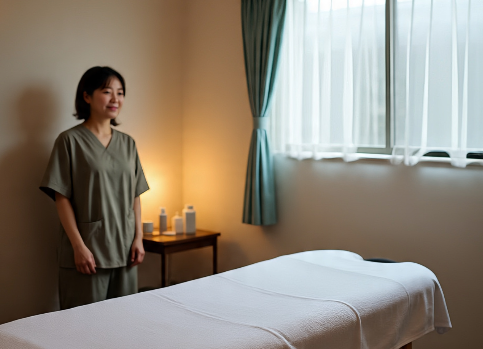
High blood pressure has become one of the most common health concerns in modern society. Long working hours, constant stress, limited physical activity, and unhealthy routines place continuous pressure on the cardiovascular system. 오산출장마사지 While medication and lifestyle changes are often recommended, many people are now turning to natural methods to support healthier blood pressure levels. Massage therapy is one such approach that works gently with the body, helping regulate blood pressure by addressing its physical and emotional triggers.
Understanding Blood Pressure Beyond the Numbers
Blood pressure is not just a medical measurement; it reflects how the heart, blood vessels, nervous system, and stress levels interact. When the body remains tense or overstimulated for long periods, blood vessels tighten, forcing the heart to work harder. Massage therapy helps reverse this pattern by encouraging relaxation, circulation, and balance throughout the body, creating conditions that support healthier blood pressure control.
The Impact of Chronic Stress on Blood Pressure
Stress plays a major role in blood pressure imbalance. When a person experiences stress, the body releases hormones such as cortisol and adrenaline. These chemicals prepare the body for action but also cause blood vessels to constrict and the heart rate to increase. Over time, repeated stress responses keep blood pressure elevated. Massage therapy calms the stress response, allowing the body to shift from a state of constant alertness to one of relaxation and recovery.
Relaxing the Nervous System for Better Heart Health
The nervous system directly influences blood pressure. An overactive sympathetic nervous system keeps the body tense and alert, while the parasympathetic system promotes rest and repair. Massage therapy stimulates the parasympathetic response, slowing the heart rate and reducing vascular tension. This shift helps the cardiovascular system operate more efficiently and reduces unnecessary pressure on blood vessels.
Improving Circulation Through Therapeutic Touch
Proper blood flow is essential for maintaining stable blood pressure. Massage therapy enhances circulation by rhythmically compressing and releasing muscles and soft tissues. This process encourages smoother blood movement, reduces resistance in blood vessels, and helps the heart pump blood with less effort. Improved circulation also supports oxygen delivery to tissues, contributing to overall cardiovascular wellness.
Reducing Muscle Tightness That Affects Blood Flow
Tight muscles, especially in the neck, shoulders, and back, can restrict blood flow and increase vascular resistance. Massage therapy releases this tension by relaxing muscle fibers and improving tissue elasticity. As muscles soften, blood vessels experience less compression, allowing blood to flow more freely and reducing strain on the heart.
Lowering Stress Hormones Naturally
High levels of stress hormones are closely linked to elevated blood pressure. Massage therapy has been shown to reduce cortisol levels while increasing the release of calming hormones such as serotonin and dopamine. This hormonal balance helps regulate heart rate, promotes emotional calm, and supports long-term blood pressure stability.
Encouraging Deeper and Slower Breathing
Shallow breathing is a common response to stress and anxiety, and it can negatively affect blood pressure. Massage therapy naturally encourages deeper, slower breathing patterns. As breathing becomes more controlled, oxygen intake improves and the heart rate slows down. This calming effect supports healthier blood pressure levels and overall relaxation.
Supporting Better Sleep for Blood Pressure Balance
Poor sleep is strongly associated with high blood pressure. Lack of quality rest prevents the body from resetting and repairing cardiovascular functions. Massage therapy promotes better sleep by easing physical discomfort and calming the mind. Improved sleep quality allows blood pressure to stabilize naturally during nighttime recovery cycles.
Reducing Inflammation in Blood Vessels
Chronic inflammation can stiffen blood vessels, making it harder for blood to flow smoothly. Massage therapy supports natural anti-inflammatory processes by improving circulation and reducing tissue congestion. 용인출장안마 Healthier blood vessels remain flexible and responsive, helping maintain balanced blood pressure levels.
Helping the Body Release Emotional Tension
Emotional stress often accumulates in the body without conscious awareness. This hidden tension can quietly contribute to elevated blood pressure. Massage therapy provides a safe environment for emotional release by relaxing the body at a deep level. As emotional stress eases, the cardiovascular system benefits from reduced internal pressure.
Improving Body Awareness and Health Choices
Massage therapy increases awareness of physical tension and stress patterns. When people become more in tune with their bodies, they are more likely to make healthier lifestyle choices, such as improving posture, managing stress, and staying active. These changes play an important role in long-term blood pressure management.
Complementing Medical Treatment Naturally
Massage therapy is not a replacement for medical care but serves as a valuable complementary approach. When combined with doctor-recommended treatments, massage therapy supports the body’s natural regulation systems. Many individuals find that regular sessions help them feel more balanced, relaxed, and in control of their health.
Supporting Weight and Lifestyle Balance
Stress-related weight gain and inactivity can contribute to high blood pressure. Massage therapy supports relaxation and recovery, making it easier for individuals to stay consistent with exercise and healthy habits. A relaxed body is more receptive to positive lifestyle changes that support blood pressure control.
Improving Vascular Flexibility Over Time
Blood vessels need flexibility to adjust to changes in blood flow. Massage therapy indirectly supports vascular elasticity by reducing muscle tension and stress-related stiffness. Over time, this improved flexibility helps the cardiovascular system respond more efficiently to daily demands.
Creating a Routine of Preventive Care
Regular massage sessions encourage preventive health habits rather than reactive treatment. By managing stress and tension before they escalate, massage therapy helps maintain stable blood pressure levels over the long term. Prevention is one of the most effective strategies for cardiovascular health.
A Gentle and Accessible Wellness Practice
Massage therapy is suitable for people of different ages and fitness levels. It can be adapted to individual needs, making it an accessible and gentle option for supporting blood pressure health without aggressive intervention.
Long-Term Benefits Beyond Blood Pressure
While blood pressure control is a key benefit, massage therapy also improves mental clarity, emotional balance, and physical comfort. These combined effects create a healthier internal environment where blood pressure regulation becomes easier and more sustainable.
Conclusion: A Natural Path to Healthier Blood Pressure
Massage therapy offers a natural and supportive way to help manage blood pressure by addressing stress, circulation, muscle tension, and nervous system balance. Rather than focusing solely on symptoms, it works with the body’s internal systems to encourage stability and resilience. When used consistently as part of a healthy lifestyle, massage therapy becomes a powerful ally in maintaining balanced blood pressure and overall cardiovascular well-being.
