

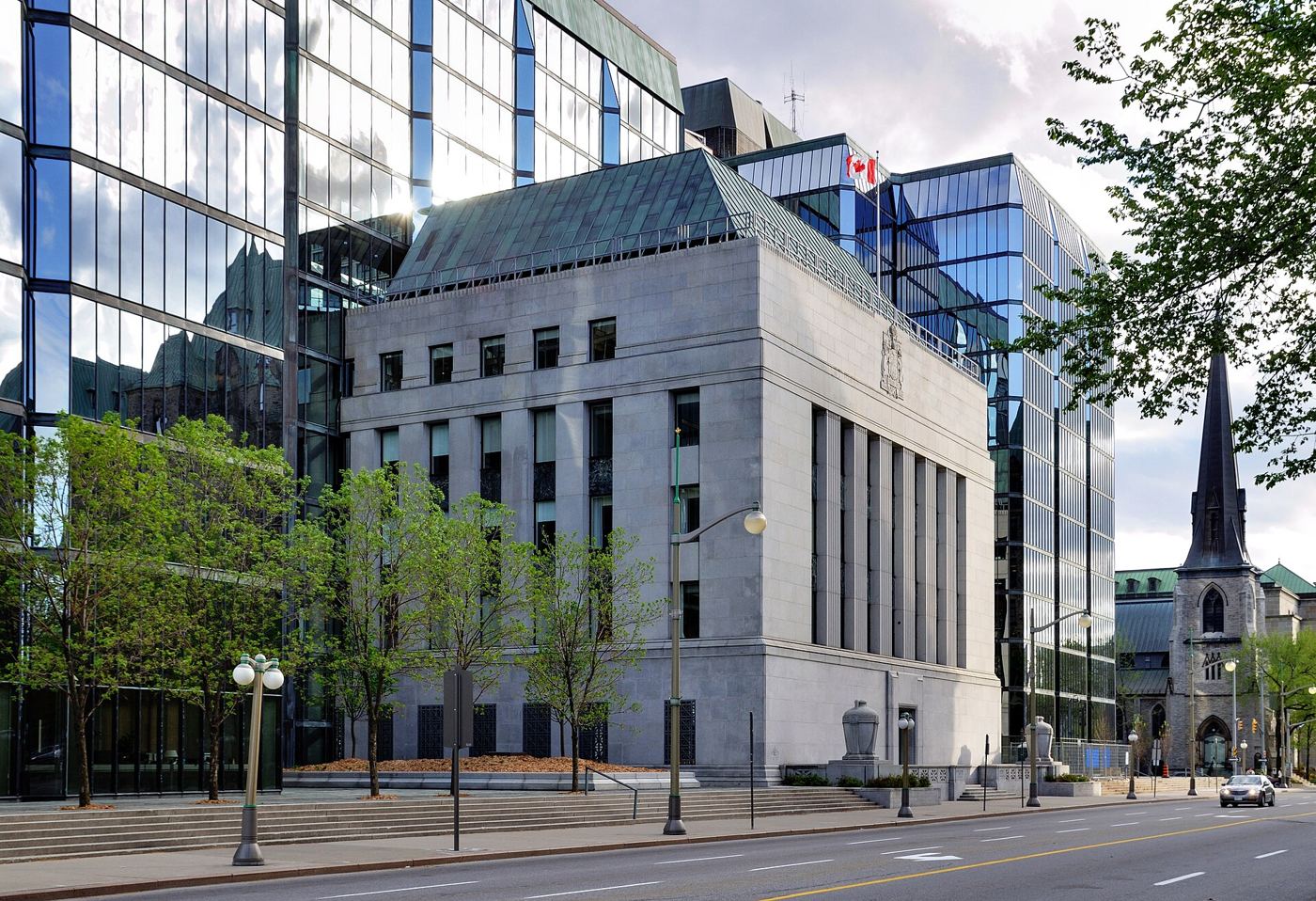
The Bank of Canada raised its policy interest rate by 25 basis points to 2.5 percent on October 28, 2026, its first increase in more than three years. Governor Tiff Macklem told senators on November 5 that growth will likely slow in the fourth quarter as new United States tariffs weigh on activity, but that the governing council agreed there could be a need to raise the rate further. The bank’s summary of deliberations, released on November 10, showed members weighed two options — holding at 2.25 percent or raising to 2.5 percent — before choosing the hike. Canada’s five largest banks raised their prime rates by a quarter point to 4.70 percent in response.
What the Evidence Shows
Macklem and Senior Deputy Governor Carolyn Rogers defended the decision before the House of Commons finance committee on November 3, days before the federal government tabled its budget on November 5. The hike was driven by inflation, primarily escalating fuel prices, which the bank expects to keep price pressures above its 2 percent target. The council said it would take future decisions one meeting at a time given the uncertainties, and the next decision is scheduled for December 9. The move complicates life for Canadian borrowers, with mortgage costs set to rise, and it signals that the bank is prepared to tighten further if inflation does not cool in the coming months. Reporting and analysis from sources such as Financial Times track the same developments, and specialists following Bank of Canada rate hike say the direction is now consistent across independent lines of evidence.
The Wider Context
The wider context is a financial system repricing risk after a long era of cheap money. Decisions shaped by Bank of Canada rate hike are being made under closer supervisory attention, with stress tests and disclosure rules that assume conditions can worsen quickly. Institutions that planned for the benign case are adjusting in public, which is uncomfortable and healthy in equal measure.
What Happens Next
What happens next with Bank of Canada rate hike will be visible first in the data that professionals watch weekly: flows, spreads and the terms on new deals. Participants who spoke for this article expect a period of adjustment rather than drama, with the biggest effects landing on those who assumed the old conditions were permanent. Planning, as ever, is the cheapest hedge. You can follow related developments in our coverage of finance.
None of this will be settled by a single announcement, study or product launch. The pattern to watch is accumulation: independent confirmations, honest reporting of failures and steady improvement in the underlying numbers. Readers who follow those signals, rather than the loudest claim of the week, will understand this subject better than most of the commentary surrounding it suggests is possible.
