

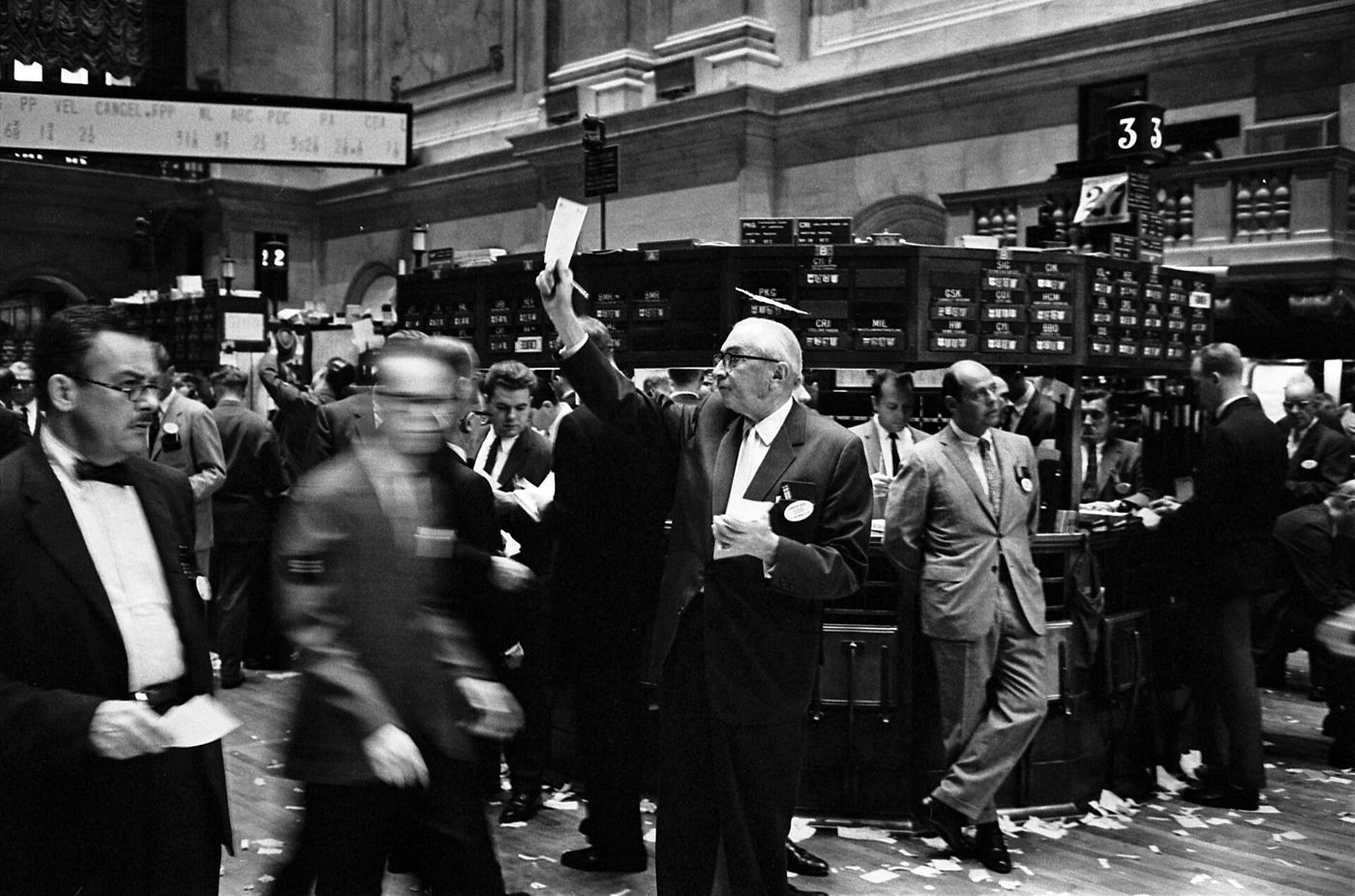
American stocks plunged on November 20 2026 as an artificial intelligence selloff gained momentum, sending the Nasdaq Composite into negative territory for the year. The Nasdaq fell 5.2 percent, or more than 1200 points, the second largest one day points drop in its history, and wiped out nearly all the 2026 gains of the other two major indexes. Nvidia fell 14 percent on the day, leading the rout, while Anthropic shares fell nearly 9 percent to about 89 dollars, just a day after the biggest initial public offering in history. Nasdaq members have lost more than 4 trillion dollars of market value in a single week, and the index is now about 18 percent below its all time high of October 6.
What the Evidence Shows
Not even Anthropic’s record listing could revive a market battered by fears that an artificial intelligence bubble could burst. The shares opened at 111.50 dollars on November 19, a big jump from the 83 dollar listing price, but closed the session at about 97 dollars and then slid again on Friday. Nvidia has lost about a third of its value in two weeks since chief executive Jensen Huang stepped down, and its stock is down about 48 percent from its early October peak, wiping out more than 2.8 trillion dollars in 45 days. The semiconductor index is down almost 30 percent from recent peaks, and 58 percent of Nasdaq 100 components are now in a bear market, down 20 percent or more. Reporting and analysis from sources such as Financial Times track the same developments, and specialists following the November 20 Nasdaq plunge say the direction is now consistent across independent lines of evidence.
The Wider Context
The wider context is a financial system repricing risk after a long era of cheap money. Decisions shaped by the November 20 Nasdaq plunge are being made under closer supervisory attention, with stress tests and disclosure rules that assume conditions can worsen quickly. Institutions that planned for the benign case are adjusting in public, which is uncomfortable and healthy in equal measure.
What Happens Next
What happens next with the November 20 Nasdaq plunge will be visible first in the data that professionals watch weekly: flows, spreads and the terms on new deals. Participants who spoke for this article expect a period of adjustment rather than drama, with the biggest effects landing on those who assumed the old conditions were permanent. Planning, as ever, is the cheapest hedge. You can follow related developments in our coverage of finance.
None of this will be settled by a single announcement, study or product launch. The pattern to watch is accumulation: independent confirmations, honest reporting of failures and steady improvement in the underlying numbers. Readers who follow those signals, rather than the loudest claim of the week, will understand this subject better than most of the commentary surrounding it suggests is possible.
