

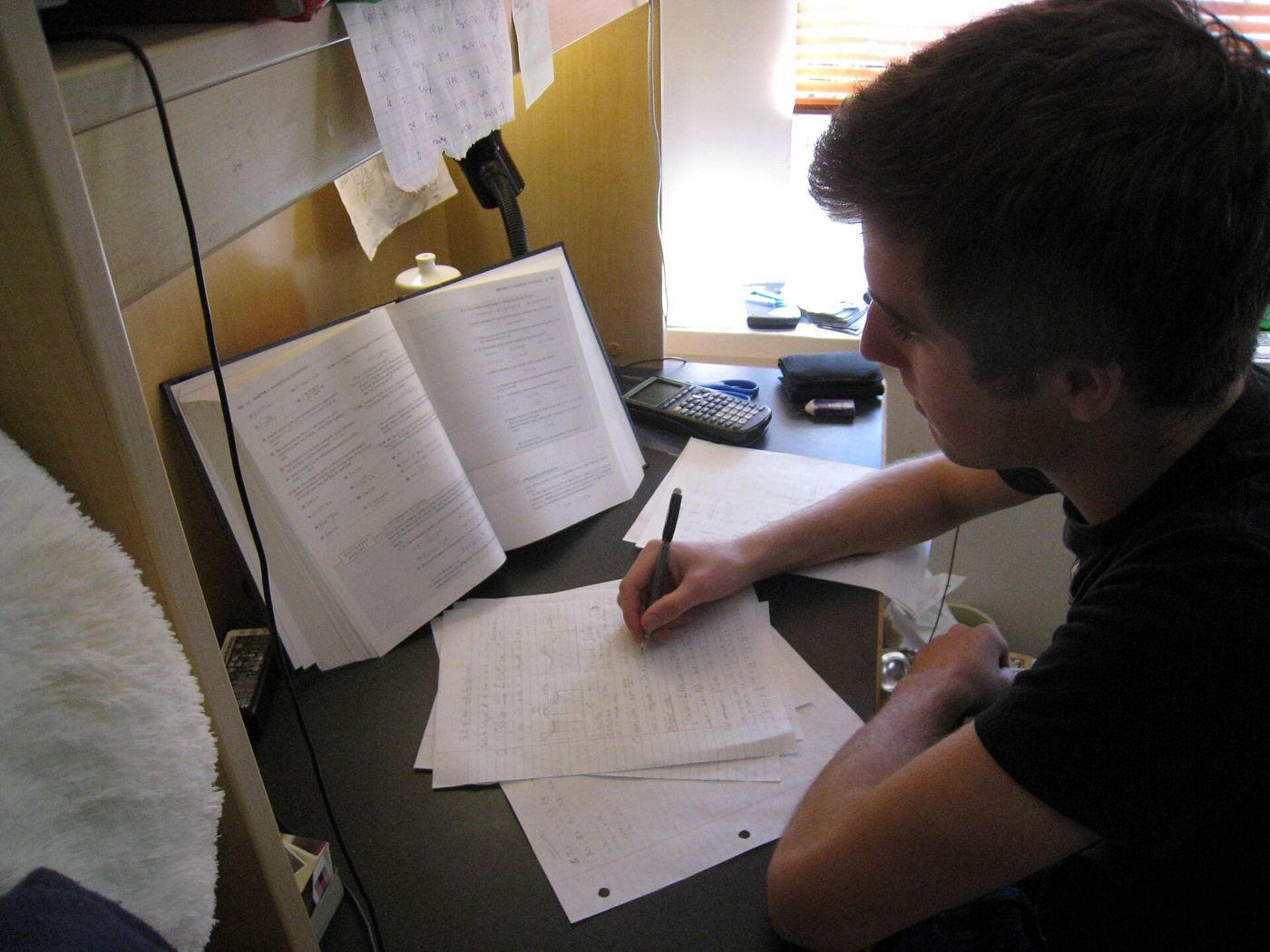
Learners who revise with flashcards spread across several days remember material more reliably weeks later than those who concentrate the same practice into a single long session, according to research on study strategies that continues to influence teaching and self directed learning. The approach, known as spaced practice, works by asking the memory to retrieve information just as it is beginning to fade, which strengthens the ability to recall it again in future. In classroom and laboratory studies, students using spaced flashcard sessions performed better on delayed tests, even though the spaced method often felt harder and less fluent while they were practising. That contrast is central to the psychology involved, because smooth, rapid performance during revision can create an illusion of mastery that disappears when the test arrives later. Flashcards support the method well, since each card prompts active recall rather than passive rereading, and difficult items can be revisited more frequently while well known items are gradually spaced further apart. Teachers say the technique suits languages, scientific terms, historical dates, and professional qualifications, and requires only short sessions used consistently.
What the Evidence Shows
Researchers recommend that learners begin spacing early rather than waiting until an examination approaches, because the benefits depend on encounters with material being separated by meaningful gaps for consolidation, including sleep. Digital flashcard systems can schedule reviews automatically according to how confidently each item was recalled, but paper cards sorted into piles reviewed at different intervals achieve a similar result. Studies also show that mixing related topics within a session, rather than practising one topic exhaustively before moving on, can improve the ability to choose the right knowledge when questions vary. Students interviewed about the method often reported that brief daily sessions felt more manageable than occasional marathon revision, reducing procrastination because starting required only a few minutes. Psychologists caution that flashcards are most effective for material that can be expressed as clear questions and answers, and should be combined with essays, problems, and discussion for deeper understanding. Schools sharing the findings with families emphasise that the goal is not more study time overall, but better distribution of the time learners already spend preparing. Reporting and analysis from sources such as British Psychological Society track the same developments, and specialists following spaced flashcard practice say the direction is now consistent across independent lines of evidence.
The Wider Context
Practitioners working with spaced flashcard practice emphasise fit over fashion. A technique that transforms one person’s routine can be useless or worse for another, and assessment, what problem, whose life, what constraints, is what separates professional guidance from the generic advice that floods social feeds. The research increasingly studies that matching process itself.
What Happens Next
For readers, the balanced conclusion on spaced flashcard practice is that small, well-matched changes beat dramatic overhauls, and that any technique deserves a fair trial of a few weeks before judgement. The studies support patience with the process and scepticism toward promises. That combination, unglamorous as it sounds, is what the evidence actually recommends. You can follow related developments in our coverage of psychology.
It is also worth remembering how quickly the picture in this area has changed before. Positions that looked settled a few years ago have been revised as new data arrived, and the same humility is appropriate now. The strongest coverage of this subject, and the most useful advice, tends to come from sources that update their views openly when the facts move, rather than defending an earlier position long after it has stopped fitting the evidence available.
