

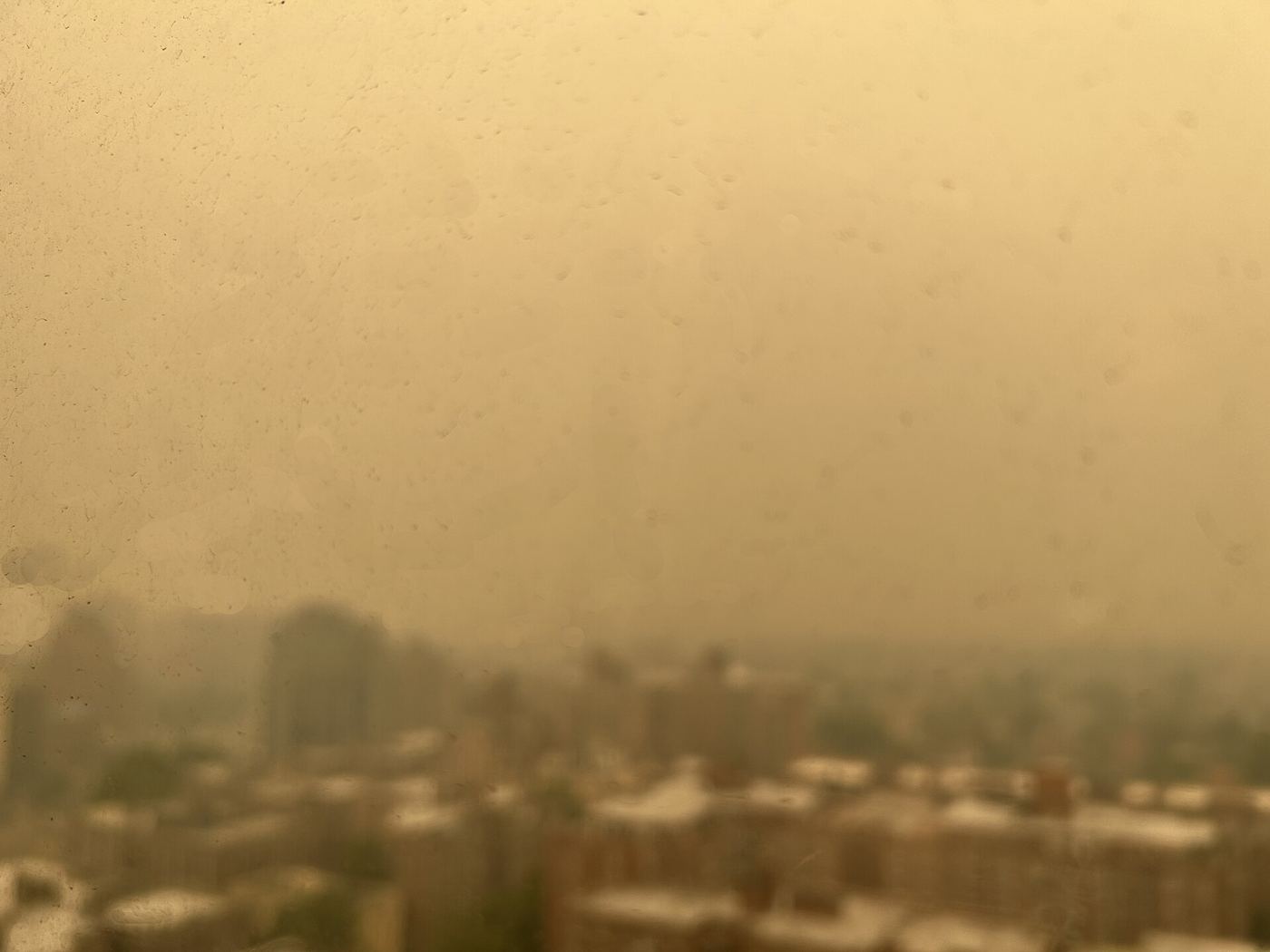
Cities are publishing daily air quality readings in plain language this season, giving residents clear advice about pollution levels instead of expecting them to interpret technical measurements alone. The daily updates appear on council websites, bus stop screens and local radio bulletins, summarising the day’s expected levels in simple bands and explaining what each band means for people with asthma, heart conditions and other sensitivities. Environmental officers say the aim is practical guidance, not alarm, because most days are fine for normal activity and the advice matters most on the smaller number of days when traffic, weather and wood smoke combine to push pollution higher. On those days, sensitive groups are advised to reduce prolonged exertion near busy roads, keep medication handy and consider quieter routes for walking and cycling journeys across the city. Monitoring stations have been added near schools, hospitals and major junctions, filling gaps where earlier readings came only from quieter background sites that understated what people actually breathe on main streets. The published data also lets journalists, researchers and residents check long term trends for themselves rather than relying on annual summaries that arrive long after the air in question has been breathed by everyone in the city that year.
What the Evidence Shows
Councils stress that information alone does not clean the air, so the daily readings sit alongside practical measures such as cleaner buses, anti idling enforcement outside schools and support for households replacing the most polluting stoves and boilers. Publishing the figures openly creates pressure to keep those programmes funded, because residents can now see whether promised improvements appear in the measurements they check each morning. Health charities welcome the plain wording, saying previous technical reports reached professionals but rarely helped a parent deciding whether a child with asthma should play football after school on a particular afternoon. Schools receive the readings with their morning registers and adjust outdoor activities on the highest days without cancelling sport altogether. Over time, officers hope the daily habit normalises air quality as something a city manages openly, like traffic or weather. The readings will not solve pollution by themselves, but they replace rumour and guesswork with shared facts, and shared facts are where every serious local conversation about cleaner air has to begin for residents and decision makers alike. Residents can sign up for alerts on the highest forecast days, receiving a short message the evening before so families can plan routes, medication and outdoor activities without needing to check the website every day. Reporting and analysis from sources such as BBC News track the same developments, and specialists following daily air quality readings published by cities say the direction is now consistent across independent lines of evidence.
The Wider Context
The wider context is a public conversation conducted at a speed institutions were not built for. Developments around daily air quality readings published by cities are announced, contested and revised within a single news cycle, and the officials involved have learned to publish evidence alongside claims so that scrutiny can actually occur. Trust, the polling suggests, follows that transparency more than it follows confidence.
What Happens Next
What happens next in the story of daily air quality readings published by cities will be decided in the places where it is being implemented, measured and argued about in public. The officials and organisations involved have committed to publishing progress data, and that commitment gives residents, businesses and journalists something firmer than promises to judge. The next milestones are dated, which means they can be checked. You can follow related developments in our coverage of news.
