

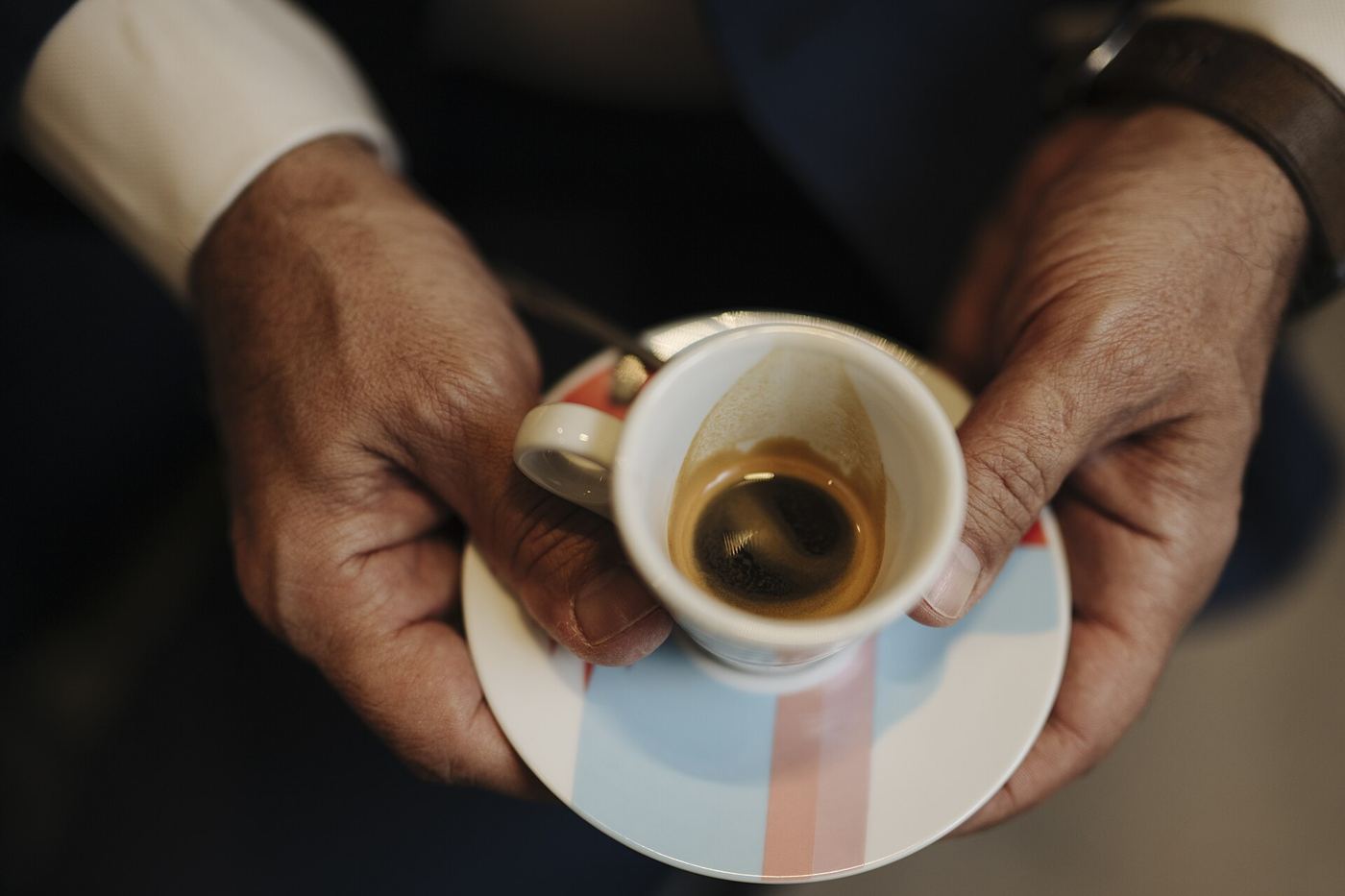
Children spit it out; grandparents swear by it. Bitterness is the last flavour humans learn to enjoy, and the most eloquent. Evolution installed it as a poison alarm — many toxins are bitter — so every coffee lover, every devotee of dark chocolate, bitter gourd, endive or Campari, has performed a small act of re-education on their own nervous system: this bitterness is safe, and what is more, it is interesting. A whole adult civilisation is built on that renegotiation.
The bitter canon
Consider the roll call. Espresso, black and unsweetened. Chocolate at eighty-five percent. The bitter melon of South Asian kitchens, the radicchio and dandelion of Italian ones, the bitter herbs of the Passover table. Aperitifs and digestifs, grapefruit, tonic water, hoppy beers — each began as medicine or accident and became a marker of the sophisticated palate. Food historians note how often bitter flavours anchor a cuisine’s identity precisely because they must be taught: they are culture, distilled. Research collections like those of the Smithsonian trace how caffeine and quinine — bitter plant defences — built global trade empires on humanity’s acquired taste.
Why we learn to love it
Psychologists describe the phenomenon as benign masochism: pleasures taken in signals the body first reads as threats, once the brain is sure of safety. There is also honest flavour underneath. Bitterness adds the bass note that makes sweetness legible; without it, cuisines collapse into confectionery. Chefs defend it fiercely — a salad of only sweet leaves is a dessert in disguise. Our culture pages are dedicated, unapologetically, to the acquired tastes.
A small manifesto
In a food culture engineered for instant sweetness — focus-grouped, sugar-tuned, algorithmically optimised — bitterness stands as a quiet rebellion. It insists that pleasure can require patience, that the palate grows up, and that some of life’s best flavours are on the far side of an initial no. Raise a small, dark, unsweetened cup to that.
And if you are still at the spitting-out stage, the veterans’ method is merciful: start at the shallow end — milk chocolate to dark, latte to espresso, sweet vermouth to Campari — and let each step teach the next. Nobody is born loving bitter. Everybody interesting gets there eventually.
There may even be a life philosophy smuggled inside the flavour. Sweetness asks nothing of us; it is pleasure prepaid. Bitterness is pleasure with a past — effort, patience and a little courage converted into taste. The cook who balances a dish, the barista who dials in a shot, the reader who persists with a difficult book are all practising the same discipline in different materials. To defend bitter is to defend the idea that some rewards are supposed to be earned — and that earning them is most of the flavour.
