

Key Takeaways
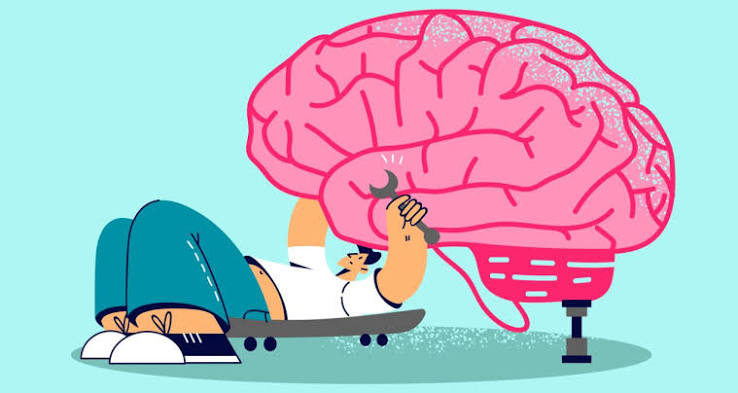
Neuroplasticity refers to the brain’s capacity to reorganize itself throughout a person’s life. This capability is crucial for adjusting to experiences and acquiring new skills.
The process entails forming, strengthening, or altering neural pathways in response to challenges or injuries. This highlights the brain’s extraordinary adaptability.
Crucial to learning and memory, neuroplasticity can be enhanced with structured practices, which actively engage the brain to improve memory retention.
Following brain injuries, neuroplasticity allows the brain to recuperate by reorganizing functions, creating new pathways to replace lost abilities.
Rehabilitation after strokes heavily depends on neuroplasticity principles; intensive therapy serves to activate functional brain areas for recovery.
Engaging in daily activities, such as picking up a new language or learning to play a musical instrument, can improve cognitive performance by fostering neuroplastic changes.
Mental practices, such as mindfulness, may affect neuroplasticity by reshaping thought patterns and emotional responses, supporting better mental health and resilience.
Unraveling the Science of Neuroplasticity
How Does Neuroplasticity Work in the Brain?
For anyone asking, “what is neuroplasticity?”, it is the brain’s ability to reorganize itself as individuals grow older, adapt to new experiences, and learn from the surrounding world. The concept of neuroplasticity centers around the brain’s capability to reorganize itself as individuals grow older. This essential mechanism allows adaptation to new experiences and learning from the surrounding world. With new challenges or skills, neural pathways are formed, strengthened, or modified. Such adaptability not only aids learning but also compensates for degraded functions after injuries.
Here’s the catch: When neurons communicate through synapses, the brain undergoes significant structural changes. These can be physical—like the formation of new connections—or functional, involving a change in the roles of existing pathways. Often, a damaged part of the brain can regain functions when conditions are right, showcasing processes that are nothing short of amazing.
As research unfolds, professionals are uncovering the dynamism of these processes. Neuroplasticity involves four distinct stages: plasticity, acquisition, stabilization, and consolidation. Each contributes vitally to learning and memory, illustrating how the brain adapts to new information. It’s almost like the brain is a live changing map, deciding which pathways to enhance and which ones to prune based on relevance.
The Role of Neuroplasticity in Learning and Memory
Among neuroplasticity’s most remarkable functions is its connection to learning and memory. Whenever new information enters the brain, fresh neural connections are formed. This intriguing interplay between neurons is foundational to everything from language learning to skills like juggling—yes, juggling! So, what does this mean for memory consolidation?
- Encoding: The first stage where new data is processed.
- Storage: Organizing the encoded data, thus paving the way for long-term memory.
- Retrieval: The process of bringing stored information to mind when needed.
Experts suggest that structured practices can significantly enhance memory retention, setting the stage for the brain’s capacity to store and retrieve information effectively. Various studies have shown that actively engaging with material—for instance, by teaching it—can lead to much higher retention rates. Adding rhetorical questions linked to emotional stories during the learning process also deepens memory retention. Think of it as a workout for the brain; the more cognitive stress applied, the sturdier those connections become.
“What we once believed was static turns out to be a dynamic force of change.” – Neuroscience Expert
Imagine it this way. Neuroplasticity transforms the brain into a living tapestry of experiences. Each encounter leaves a mark. Choices, environments, and challenges shape the pathways woven into that tapestry. The more paths explored, the more resilient the brain becomes to potential setbacks.
Applications of Neuroplasticity in Healing
Neuroplasticity and Recovery After Brain Injury
Brain injuries can have devastating effects. Consider strokes, concussions, or head trauma. Yet, the astonishing potential of neuroplasticity instills hope. It’s quite common for individuals who’ve suffered brain injuries to regain lost capabilities. But how does this occur? The answer lies in the brain’s inherent ability to adapt and recover.
- Reorganization: Other brain areas can assume the functions lost due to injury.
- Compensatory Mechanisms: New pathways can bypass damaged regions.
- Therapeutic Interventions: Engaging in customized rehabilitation exercises can hasten recovery by reinforcing those new connections.
Recent studies suggest that engaging in targeted activities emphasizing repetitive practice can significantly shorten recovery times. Clients taking part in structured rehabilitation, particularly those including speech and occupational therapy, frequently report quickly regaining functionality in daily tasks.
Can Neuroplasticity Aid in Stroke Rehabilitation?
- Task-specific training: Tasks encourage the brain to forge new connections linked to specific functions.
- Intensive practice: Consistent repetition of tasks drives adaptation and recovery.
- Patient motivation: The degree to which a patient consistently engages is crucial to recovery.
Here’s an interesting fact: statistics show that patients who receive early and regular therapy often achieve better outcomes. The concept of focused repetition and movement proves beneficial in retraining the brain. That ignites genuine hope where it is so necessary. The journey can be tough; however, the brain’s capacity to adapt offers real light at the end of the tunnel.
Everyday Benefits of Neuroplasticity
Using Neuroplasticity to Enhance Cognitive Performance
Cognitive performance encompasses more than merely memorizing facts or taking the same route to work each day. It’s about actively engaging the brain in varied tasks that foster growth. Reflect on how daily habits can induce neuroplastic changes—they can genuinely reshape cognitive potential.
- Learning a new language: This activity strengthens cognitive-related brain regions.
- Playing an instrument: It engages multiple areas of the brain, intertwining creativity and discipline.
- Physical activities: Sports not only boost fitness but also refine motor skills through various movements.
The potential of mental games, like puzzles or strategy games, shouldn’t be underestimated. These activities are not merely entertainment; they stimulate neural connections and keep the brain nimble. Staying mentally active wards off cognitive decline, providing a safeguard against age-related impairments.
Improving Mental Health Through Neuroplastic Strategies
Mental health remains a pivotal topic. Several therapeutic strategies revolve around the principles of neuroplasticity. Visualize how the brain adjusts through experiences—both good and bad. In therapy, techniques like Cognitive Behavioral Therapy (CBT) focus on reshaping thought processes and fostering new reactions to established triggers.
- Mindfulness meditation: Research indicates it can physically alter brain structures tied to emotional regulation.
- Journaling: Documenting thoughts can bring clarity and foster positive thought patterns.
- Social interactions: Nurturing relationships can enhance emotional well-being, aided by those very plastic transformations.
The impact of neuroplasticity on improving mental health cannot be overstated. Many individuals have discovered resilience through these methods. Even small changes can yield substantial improvements, creating a ripple effect that bolsters overall cognitive performance.
Exploring Techniques to Use Neuroplasticity
Activities That Stimulate Neuroplastic Changes
There’s a saying: variety is the spice of life, and it’s undeniably true when it comes to energizing the brain. Different activities engage neural pathways in distinct manners. Whether it’s mastering a new recipe or tackling complex math, each endeavor drives change.
- Taking a different route: Alter daily habits; shaking up routines fuels fresh neuroplastic responses.
- Join clubs or groups: Engaging in new social environments enhances emotional and cognitive experiences.
- Creative arts: Activities such as painting or writing evoke different areas of the brain.
It’s essential to note that long-held routines can lead to intellectual stagnation. Challenge oneself daily; that’s how the brain flourishes. Think of athletes preparing for competition—they don’t just specialize in a single skill; they broaden their training to develop versatile capabilities.
Mindfulness and Neuroplasticity: An Effective Combination
Mindfulness practices don’t just cultivate tranquility; they also facilitate neuroplasticity in significant ways. By focusing attention and awareness, individuals can directly modify their brain’s structure. Who knew that simple exercises could yield such profound benefits?
- Breathwork: Concentrating on one’s breath can markedly reduce anxiety and reshape stress responses.
- Body scanning: This deliberate mindfulness strengthens brain connections responsible for emotional regulation.
- Guided imagery: This can evoke positive experiences, potentially counteracting negative thought patterns.
Mindfulness is not just a passing trend; it’s a practical tool. It offers a means of understanding mental habits while encouraging new growth. Professionals suggest weaving mindfulness into daily life to solidify and enhance those plastic changes.
Neuroplasticity unquestionably opens doors that once seemed closed off. Whether for healing from injuries or simply sharpening cognitive abilities, the commitment to nurturing mental growth is immensely rewarding. Each individual must ask themselves, “How can everyday actions impact my brain’s journey?”
FAQ
How does neuroplasticity relate to aging?
Studies show that neuroplasticity significantly contributes to counteracting cognitive decline associated with aging. Engaging in intellectually stimulating activities fosters new neural connections, demonstrating that one’s brain can remain agile well into older age.
What role does diet play in supporting neuroplasticity?
A diet abundant in omega-3 fatty acids, antioxidants, and flavonoids enhances neuroplasticity. Nutrients found in foods such as fatty fish, berries, and leafy greens support overall brain health, potentially improving cognition and adaptability.
Are there specific exercises that promote neuroplasticity?
Some physical exercises, especially those involving coordination, balance, and intricate movements, stimulate neuroplastic changes. Activities like dance, martial arts, or team sports not only enhance fitness but also foster mental engagement and adaptability.
How can neuroplasticity improve chronic pain management?
Neuroplasticity can alter pain perception through cognitive-behavioral techniques and mindfulness practices. By retraining the brain’s response to pain signals, individuals may experience a reduction in chronic pain symptoms.
Can neuroplasticity affect emotional regulation?
Absolutely, neuroplasticity plays a crucial role in emotional regulation. Therapeutic approaches like CBT enable individuals to reshape their thought patterns, leading to more effective emotional management and overall mental health.
What is the timeframe for seeing results from neuroplasticity-based interventions?
Timeframes for observing results can differ based on individual situations and the specific interventions used. While some may notice improvements within weeks or months, others might require longer, consistent efforts to achieve significant changes.
How does social interaction influence neuroplasticity?
Strong social connections stimulate cognitive processes and bolster emotional well-being, both essential for neuroplasticity. Engaging in meaningful conversations and maintaining relationships can foster positive neural changes that enhance resilience.
What are some mindfulness practices that effectively support neuroplasticity?
Practices like meditation, breathwork, and body scanning are powerful for fostering neuroplasticity. These techniques promote focused awareness, leading to structural brain changes linked to emotional regulation and stress relief.
